It's the same every time
The first 5 minutes run the same way for every player. Instructions are spoken as well as written, in one familiar voice, so children who can't read yet can follow along.
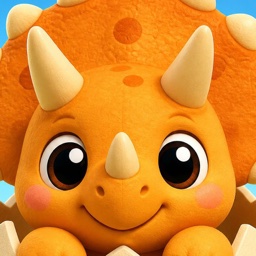 Tap Wiggle to crack your egg!
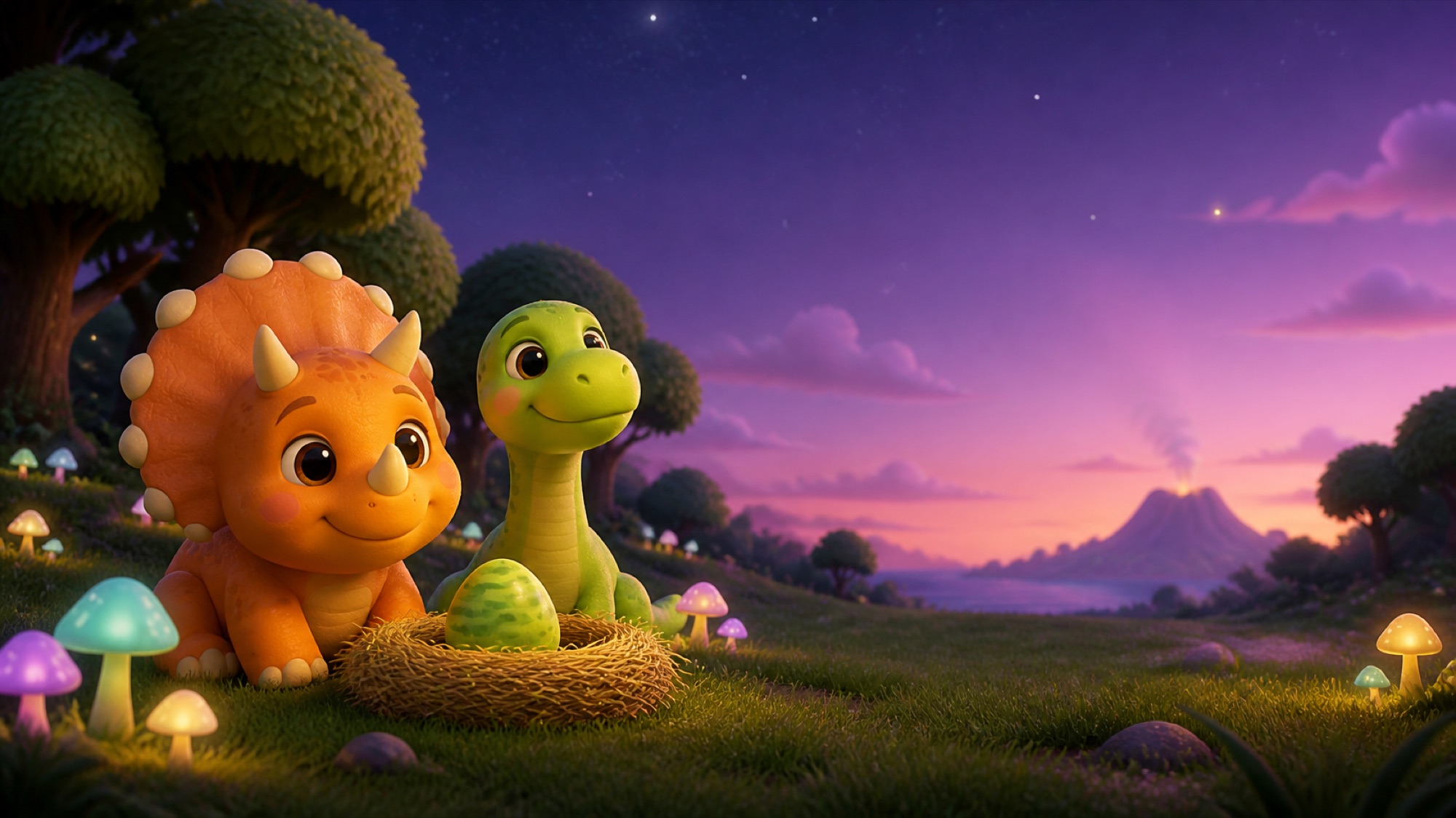
A calm Roblox game for autistic and ADHD children
A slow, gentle dinosaur game that's easy to put down. Free to play, with no timers, streaks or chat.
The evening
Your child isn't being difficult. Neither are you.
Most of the games children love are made by big teams whose job is to keep players playing, and they measure how well it's working every single day with numbers most parents never see.
A streak that vanishes if you miss a day.
An offer with a clock ticking on it.
A prize that might be rare, if you open just one more.
A sound and a flash every few seconds.
For a child who finds it hard to switch from one thing to the next, or who feels sound and light more than most, that design lands hard. The game keeps going in their body long after the screen goes dark.
Those games work exactly as designed. Your child just wasn't who they were designed for.
The idea
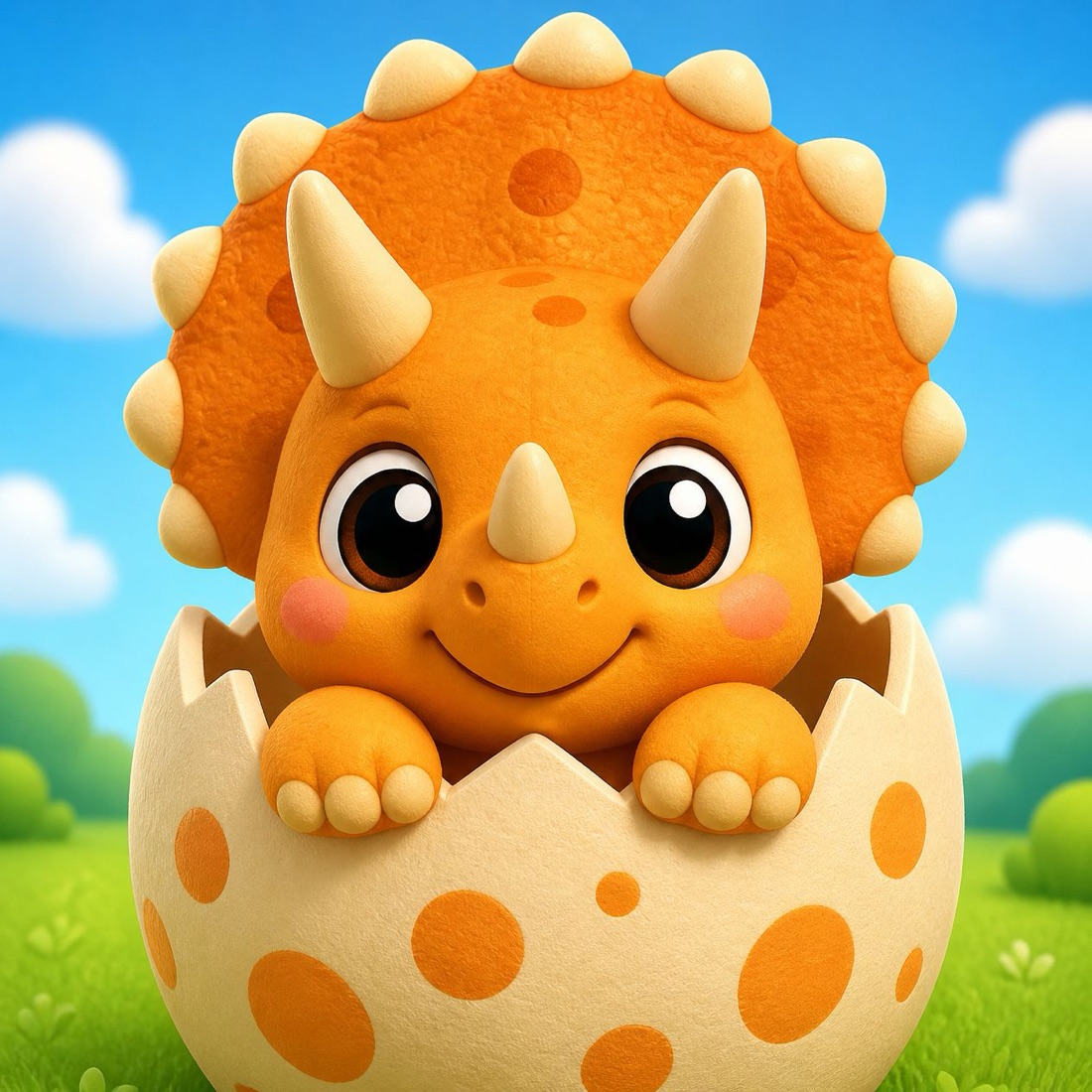
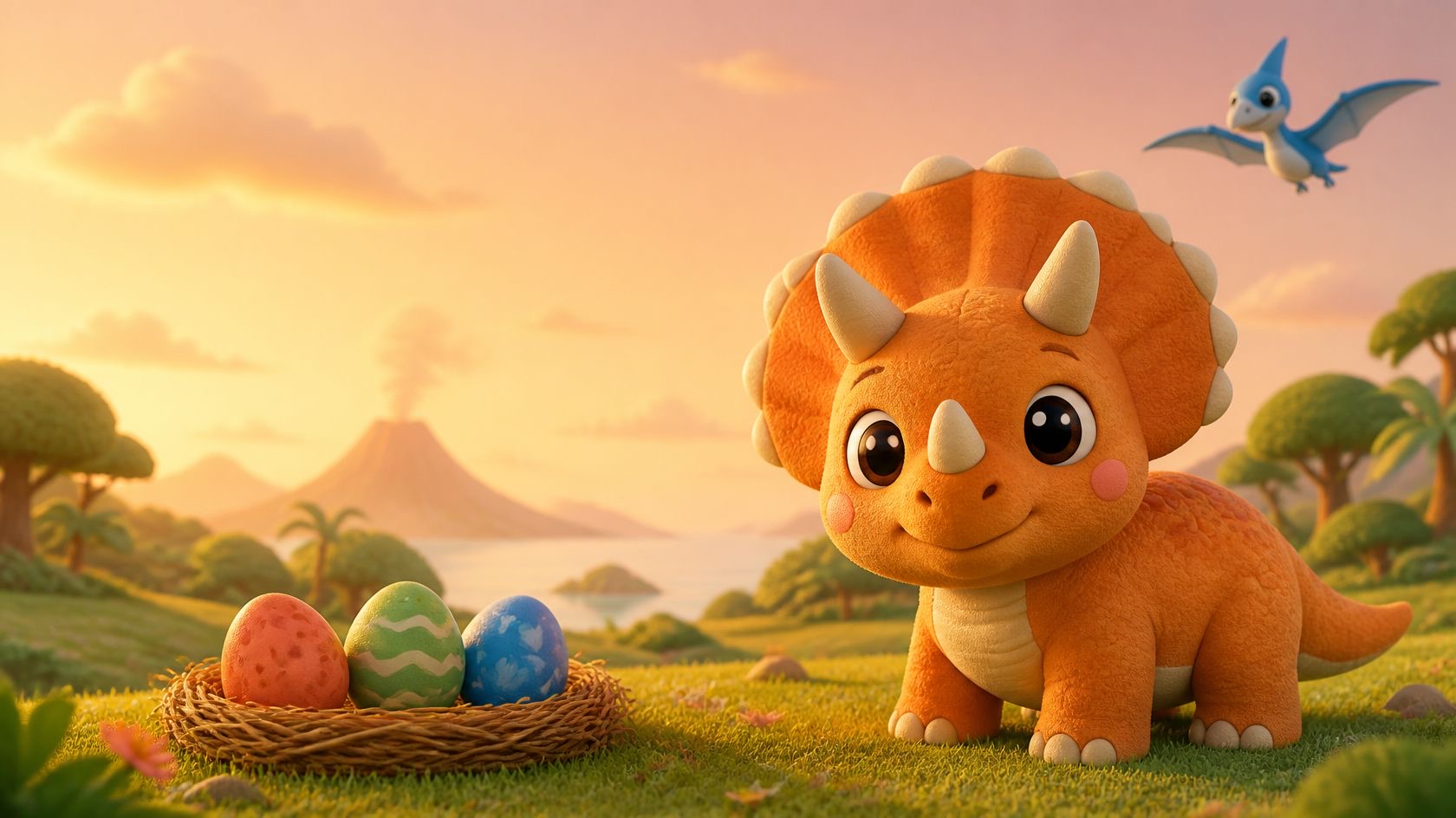
Your child picks an egg and wiggles out as a wobbly hatchling, then eats snacks, plays short courses, builds a nest and grows up a little at a time.
Growing up takes real days. The last step needs a proper nap in the nest, 8 hours the first time, so the game itself says come back tomorrow.
Stopping costs nothing.
Nothing decays while they're away, and their dinosaur is waiting exactly where they left it.
Every grow asks first. Nothing changes until your child taps Yes.
A visit
Here's a 30 minute visit with the nap reminder on. On the left is what your child sees. On the right is what it's doing for them, and what a faster game tends to be doing at the same moment.
The game asks how they're feeling, with 4 dinosaur faces to tap. The answer is never saved.
Naming a feeling is easier with a picture than with words. Tap Wobbly or Stompy and the game offers the quiet cave straight away.
In a fast gameThe daily reward screen and a reminder of the streak.
A picture card says eat a snack, do a course, nap in your nest.
They know what the visit holds before it starts, and they can see where it ends. Stars only ever go up, so skipping one costs nothing and there's no list of failures waiting for them next time.
In a fast gameA list of quests that refills as each one is ticked.
Volcano rocks or Jungle vines, under 2 minutes, and a fall just puts them back on the last pad instead of sending them all the way back to the start.
Effort, a win, done. Missing a jump costs a few seconds, not the whole run.
In a fast gameA timer, a leaderboard and a restart from the beginning.
Their tummy is full. A picture shows the next size, and nothing changes until they tap Yes.
The biggest moment in the game happens when they're ready for it.
In a fast gameA burst of light, a fanfare and a box to open.
Building the nest, trying on hats, a slow flight over the island.
Play with no goal attached, which is where the pace drops on its own while the music stays soft and nothing on screen asks for their attention.
In a fast gameThe pace goes up, because a calm player is a player who might leave.
Their dinosaur yawns and offers a nap in the nest, and the game saves.
The ending comes from inside the story, and it's a happy one, because their dinosaur is curled up asleep in the nest they built and there's nothing half done left to argue about.
In a fast gameA cliffhanger, a chest that opens in 5 minutes, and one more go.
The design
Before we built anything we wrote a list of what makes games hard for autistic children and children with ADHD. Then we designed against every line of it.
Try it. This is the same choice your child makes on their first visit. One tap sets sound, colour and movement for the whole game.
The game as it comes. Gentle music, full colour, and every sound kept under the ceiling.
This line is the ceiling. Dino sounds at full only ever reach it, even on Bouncy, and the roar only happens while a button is held.
The first 5 minutes run the same way for every player. Instructions are spoken as well as written, in one familiar voice, so children who can't read yet can follow along.
Tap Wiggle to crack your egg!Every course takes under 2 minutes, and a card always shows how much longer until the next size. For the moments when a body just needs to move, there are joy buttons to roll, spin, wag a tail or bounce.
Dinosaurs pass through each other, so nobody can be shoved, blocked or chased into a corner. Joining a family needs your child's yes, every single time. Chat is off, and servers hold 12 players at most.
The quiet cave
Every child gets overwhelmed sometimes. What helps is much the same for most of us, grown-ups included, and it's simple enough to sound almost too obvious: somewhere quieter, and a few slow breaths.
A breath out that's longer than the breath in is one of the simplest ways to help a body settle. The quiet cave puts that into the game.
In for 4, out for 6, the same rhythm as the crystal in the game.
On a return visit, if your child taps Wobbly or Stompy, the game tells them big feelings are OK and offers to take them to the cave.
From anywhere on the island it's Menu, then Take me somewhere quiet. One tap and they're there.
A crystal swells and glows on a slow breath, in for 4 and out for 6, and there's a spot to lie down and rest.
A skill for life
The cave isn't there to fix a hard moment for them. It's there so they can practise something they'll need for the rest of their lives: noticing when things are getting too much, finding a quieter place, and breathing on purpose until their body catches up.
They get to practise it with a dinosaur, while the stakes are low. The game tries to settle a body first, and it never asks an upset child to think their way out of a hard moment.
You can borrow the words at home.
Shall we find our quiet cave for a minute?
What we left out
Every one of these keeps children playing longer. None of them made it into Dino Nest.
Why we built it
For more than 30 years I've been building technology, and for most of my life I've been a gamer. So I was never going to be the dad who bans games. My two children are gamers too. They're 6 and 8, they love Adopt Me and obbies and anything with animals in it, and they're two of the most sensitive people I know.
In our house, sensitive means they feel everything at full volume, the fun and the hard parts alike. A loud noise goes right through them. A good game lights them up. A fast one winds them so tight that the end of screen time could undo a whole evening, and for a long time I just watched it happen.
The strange part is that I knew why. I've spent my career running technology and product teams, including for KFC across Europe and for Lush around the world, so I know how digital products get made. You choose a number, usually how long people stay, and you test and tune until it goes up. The streak, the countdown, the prize that might be rare: none of it is an accident. It works on grown-ups as well. My children just feel it harder.
Years of coaching leaders and teams taught me the other half. When someone is struggling, you don't fix it for them. You help them notice what's happening, you give them somewhere safe to pause, and you let them practise the next step while the stakes are low. That's the quiet cave, really. A coaching session, dressed up as a cave full of glowing crystals.
So in October 2026 the three of us sat down to make our own game. They wanted dinosaurs. I wanted something I'd be glad to see on the screen at bedtime. Before we built anything we asked one question: what would make this the best game on Roblox for a child with autism, ADHD or both? The answers became our rules. Rewards that never reset. A yes for every interaction. A quiet place to go. Courses short enough to finish. Every feature since has had to get past them.
The children are the real design team. They draw the dinosaurs, they test every course, and they're quick to tell me when something isn't right. Harsh critics, both. I build the models, write the code and record the voice your child hears. We're doing all of it on a budget of £250, so it grows slowly.
That suits the game fine.
I can't promise Dino Nest will change your evenings. I can promise that every choice in it was made by a dad who has seen what the other kind of game does, with two children who'd tell him straight away if he got it wrong. If it makes one bedtime in your house a little softer, it's done its job.
Plainly
It won't replace the people who support your child. It's a calm place to play that you can say yes to without bracing for the end.
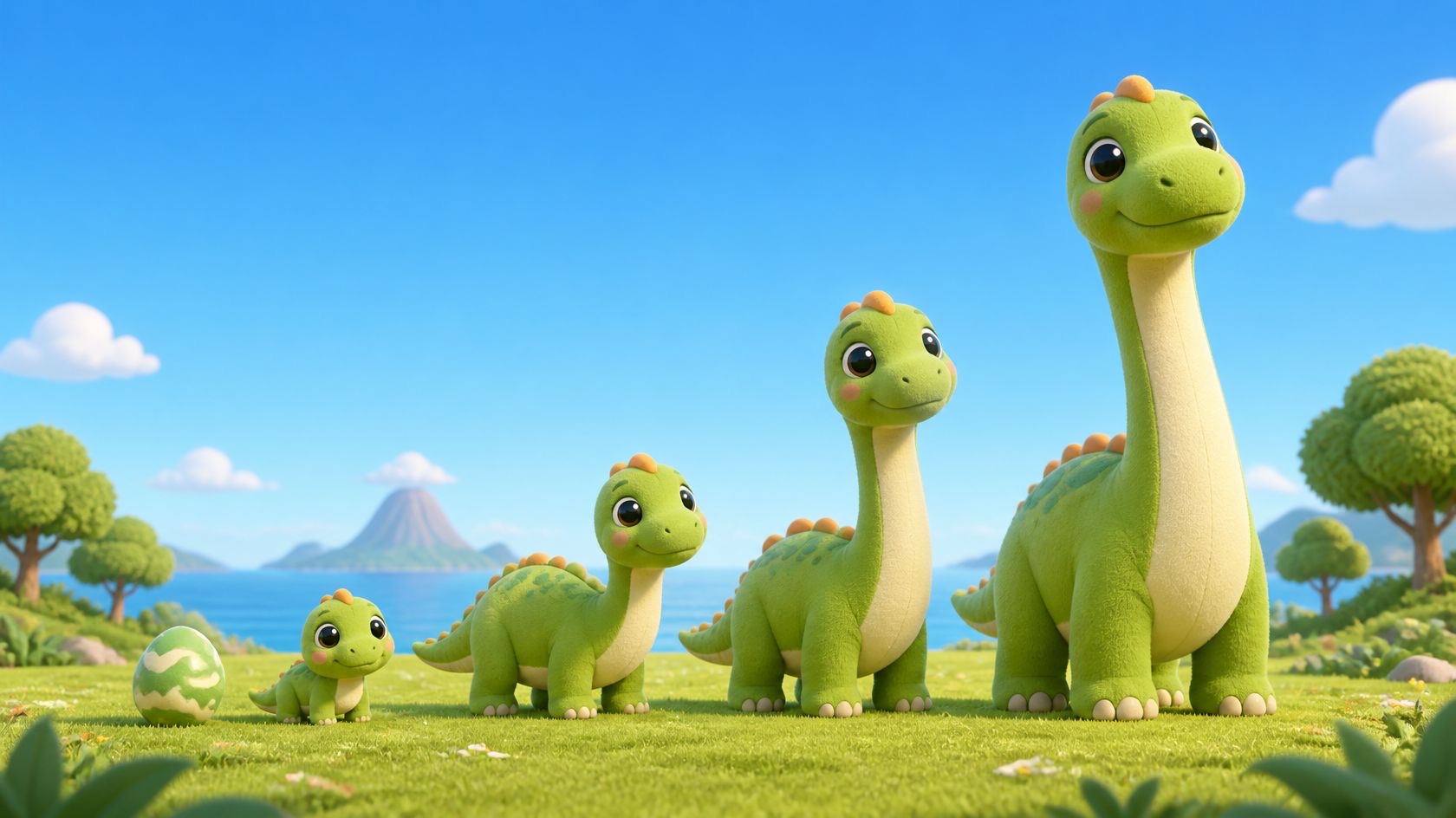
Some dinosaurs are still early versions, and the island keeps growing a little at a time.
We never collect anything about a child's diagnosis, health or mood.
Questions
No. Key instructions are spoken aloud and choices come with pictures.
No. Dino Nest is free to play.
Chat is switched off. Players can only use a few preset picture phrases, every invitation needs your child's yes, and Personal space blocks invitations altogether.
Nothing bad happens. Growth never goes backwards and there are no streaks to lose.
Turn on the nap reminder in Settings and pick 30, 45 or 60 minutes. When their dinosaur yawns, the game is asking for the break, not you.
No enemies, no fighting and no losing. Even the hunter dinosaurs keep their teeth hidden.
Tonight
Dino Nest is free on Roblox for phones, tablets and computers.
Play free on Roblox